
The monitor reads full
Waste or mineral buildup can bridge the sensor contacts and cause a false reading—even after the tank has been dumped.
Mobile RV Repair & Inspections • Des Moines & Yuma • 515-257-6021
Professional mobile hydro-jet cleaning for RV black and gray holding tanks—designed to remove buildup that routine dumping and basic rinsing can leave behind.
Every time you dump, some material can stay behind. Over time, waste and paper can harden on the bottom and walls of the tank. Gray tanks collect soap, grease, food particles, hair, and other residue.
A quick rinse may move loose material, but it doesn't always reach the buildup stuck inside. That's where a professional RV tank cleaning can help.
One symptom doesn't always prove the tank is dirty. We look at how the system drains and what comes out before recommending the next step.
Waste or mineral buildup can bridge the sensor contacts and cause a false reading—even after the tank has been dumped.
Residue left inside the tank can hold odor. Venting, seals, plumbing, and toilet operation may also need to be checked.
A slow dump may point to buildup, a developing clog, a valve problem, or an issue farther downstream.
You usually don't know the tank's history. A baseline cleaning removes the guesswork and shows how the system is actually behaving.
Material left in a tank can dry and harden during storage, especially when a black tank was stored without enough water.
Built-in flush systems are useful maintenance tools, but their spray pattern may not reach every area of every tank.
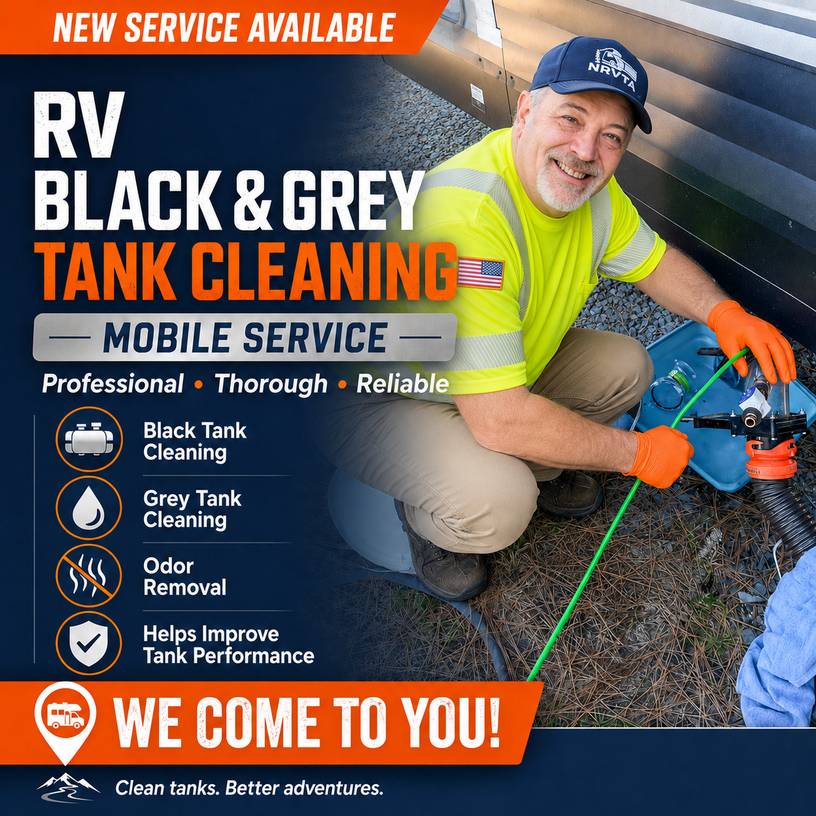
Black and gray tank cleaning is performed as a mobile service at the RV when the site, utilities, access, and waste connection are suitable for the work.
An RV tank can drain and still have material stuck to the floor, walls, valves, piping, or sensor area. The type of buildup depends on how the RV has been used and maintained.
Black tanks can retain waste and toilet-paper residue, especially when too little water is used or the tank has been stored with material inside.
Soap, grease, food particles, hair, and other debris can coat gray tanks and contribute to odor or slower drainage.
Mineral buildup can form inside holding tanks and waste plumbing. In some systems, hardened deposits can contribute to inaccurate readings, restricted flow, and material that routine rinsing does not remove.
Why this matters: Dumping removes what flows out. Professional hydro-jet cleaning is intended to loosen material that remains attached inside the waste system and carry it out through the approved sewer connection.
Tank cleaning is designed to remove internal buildup. Some symptoms point to a separate plumbing, valve, venting, or electrical problem that should be evaluated first.
Not sure which side fits? Submit the symptoms, RV information, and a few photos. Aron and Sheryl will review the request before service is scheduled.
Dumping, chemicals, and built-in flush systems all have a place in routine care. Professional cleaning is intended for buildup and performance concerns those methods may not resolve.
| Method | Routine rinsing | Targets hardened buildup | Reaches multiple tank areas | Drainage checked afterward |
|---|---|---|---|---|
| Dumping the tank | Limited | No | No | No |
| Tank chemicals | Maintenance aid | Not guaranteed | Depends on circulation | No |
| Built-in tank flush | Yes | Limited | Fixed spray location | Limited |
| MilTech Tank Rescue | Yes | Designed for buildup | Rotating hydro-jet | Yes |
Results depend on tank design, condition, accessibility, and whether buildup is the actual cause of the symptom.
We explain what we're seeing as we work. No mystery treatment and no promise that every tank problem is “just a clog.”
We check the waste connection, valves, drainage behavior, access, and the approved tanks before cleaning begins.
We connect the cleaning equipment and confirm that the freshwater source, sewer connection, hose routing, and work area are ready.
We direct a rotating hydro-jet nozzle through the waste system to loosen buildup from accessible interior surfaces.
We continue flushing and draining while monitoring the discharge, then review drainage behavior and accessible monitor readings.
We tell you what we observed, what improved, and whether a separate valve, plumbing, venting, sensor, or repair concern should be addressed.
Final serviceability depends on tank access, valve location, plumbing configuration, discharge setup, available utilities, and the condition of the waste system.
Standard black and gray holding-tank systems can often be serviced when the termination and valves are safely accessible.
Multiple tanks and multiple valve locations are common. Tell us the tank count and send photos of the discharge setup.
Class A, B, and C waste systems may be serviceable depending on plumbing layout, compartments, macerators, and outlet access.
Multiple holding tanks or discharge points may require additional setup. Tank count and connection photos help us plan the visit.
If you recently purchased an RV and don't know its tank history, Tank Rescue can establish a cleaner baseline and show how the system drains.
Macerators, modified plumbing, inaccessible valves, multiple outlets, active leaks, cut piping, and tanks that will not drain should be reviewed before scheduling.
Tank cleaning should leave you with more than “we flushed it.” Our goal is to explain what was observed, how the approved tanks behaved, and what you should do next.
Tank Rescue addresses buildup. Because MilTech RV is also a mobile RV repair company, we can recognize when the symptom points beyond cleaning and explain what should be evaluated next.
No surprise repair work: If we find something outside the approved cleaning scope, we explain it first. Diagnosis, parts, modifications, and repairs are performed only with separate customer authorization.
We separate cleaning from repair work so you understand what the appointment is intended to accomplish before work begins.
Results you can expect: Cleaning may improve odors, drainage, and tank readings when buildup is the cause. It cannot repair a failed sensor, damaged wiring, broken valve, leaking plumbing, venting problem, or damaged tank.
We explain what we observed so you can make a better decision about maintenance, monitoring, or any recommended repair.
We review the drainage behavior before and after the approved cleaning.
We explain what was removed and whether the discharge changed during cleaning.
Accessible monitor readings are reviewed without promising repair of defective components.
Valve, venting, plumbing, sensor, or access concerns are identified when observable.
We explain practical use, water, dumping, and rinsing habits based on what we found.
You receive a clear recommendation if diagnosis or repair should be considered separately.
MilTech RV is rated 4.7 out of 5 from 22 Google reviews. These verified comments reflect customers’ overall experience with our communication, equipment, scheduling, and quality of work.
“Aron and Sheryl at Miltech were great to work with and they did amazing work.”— Mike Sellberg
“Aron was very knowledgeable and had the right equipment to diagnose the problem with my slide.”— Steve Hurley
“Great customer service from two very nice people.”— Google Business Review
These are general MilTech RV service reviews and are not represented as Tank Rescue-specific testimonials. Tank-cleaning reviews can replace or supplement them as customers provide service-specific feedback.
See the standard Tank Rescue cleaning price and normal appointment total before you request service.
A used RV can look spotless above the floor while the holding tanks still carry years of unknown habits. You may not know how much water the previous owner used, whether the black valve was left open, how often the tanks were rinsed, or how the RV was stored.
A baseline Tank Rescue cleaning can help remove existing buildup and give you a better starting point for your own maintenance routine.
When two or more RVs at the same campground schedule Tank Rescue for the same day, MilTech RV waives the standard $75 mobile service-call fee for participating customers. Each RV must have approved water and sewer access and a confirmed appointment.
Tank count, condition, plumbing layout, and access can change the time and equipment required. We review the RV details first and confirm the expected appointment window and preparation instructions.
Freshwater-system note: Tank Rescue is for RV black and gray holding tanks. Freshwater-tank and potable-water-system sanitizing are separate plumbing-maintenance services.
Providing these details up front helps us identify whether you need cleaning, diagnosis, or repair—and reduces scheduling delays.
Send the RV details, symptoms, location, tank count, and helpful photos through the request link.
Aron and Sheryl review the information to determine whether Tank Rescue is the right next step.
We confirm the expected scope, pricing, access requirements, service area, and available appointment date.
You approve the service before work begins. Any additional diagnosis or repair is discussed separately.
We review maintenance recommendations based on what we observe. These general habits can help reduce future buildup and drainage problems.
Use sufficient water during normal toilet operation so waste and paper can move through the tank when it is dumped.
During normal use, keep the black-tank valve closed so liquid remains available to carry waste when you dump. See the black-valve guide below.
Do not flush wipes, hygiene products, or other materials that are not intended for an RV holding-tank system.
Use the RV’s built-in tank flush as a maintenance tool when equipped and follow the manufacturer’s operating instructions.
Recurring odors, slow drainage, leaks, or backups may point to venting, valve, plumbing, or component problems—not just buildup.
Use the recommendations provided after service and separately address any sensor, valve, venting, or plumbing concern that remains.
Even at a full-hookup campsite, the black valve should generally stay closed until it is time to dump. The tank needs enough liquid to help carry solid waste and toilet paper out through the drain.
When the black valve is left open, wastewater can continuously drain away. Solid waste and paper may settle on the tank floor, dry in place, and build into a hard obstruction sometimes called a pyramid plug.
Use adequate water with each toilet flush and allow the tank to accumulate enough liquid for an effective dump. Monitor the tank level and never allow it to overfill.
Important: Gray-tank practices may differ. Always follow the instructions for your specific RV, valve arrangement, macerator or pump system, and campground. Cassette, composting, and modified waste systems require their own procedures.
Attach and support the sewer hose, confirm the fitting is seated, and keep the black valve closed.
Water helps keep waste mobile and provides the volume needed to carry solids during dumping.
Wait until the tank has enough contents for an effective dump, without allowing it to overfill.
Open the black valve only for dumping. Allow flow to finish, then close the valve completely.
When appropriate for your setup, gray water can help rinse residue from the sewer hose.
Add the manufacturer-recommended amount of water or treatment, then keep the black valve closed.
Tank Rescue requests are reviewed by Aron and Sheryl Jemison—not routed through a call center. We focus on clear communication, appropriate service preparation, and explaining what we observe before recommending another step.
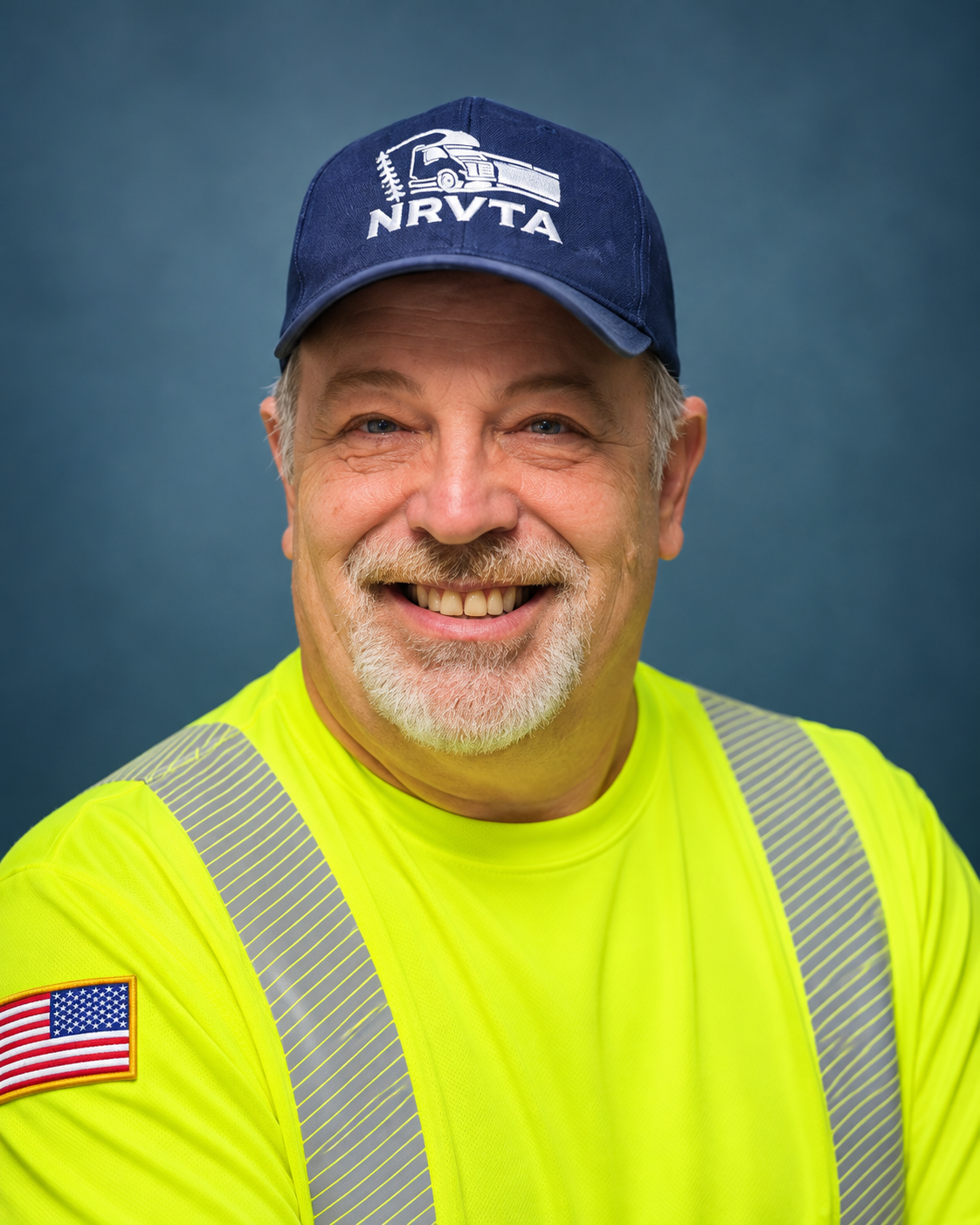
Retired U.S. Navy veteran, NRVTA-trained RV technician, and NRVIA Certified RV Inspector. Aron performs the technical evaluation, cleaning, verification, and customer explanation.

Sheryl supports customer scheduling, service coordination, parts organization, and field appointments so customers know what information and access are needed.
Include your exact address, campground, resort, or storage location so we can confirm availability and any travel charge.
Serving the Des Moines metro within the normal 30-mile service area through October 14, 2026. MilTech RV returns April 14, 2027.
Seasonal mobile Tank Rescue availability from November 12, 2026 through March 26, 2027, subject to location and schedule.
Locations beyond the normal 30-mile service area are billed at $2 per mile. We confirm applicable travel before scheduling.
Standard cleaning is $275 for one holding tank, $325 for two tanks, and $375 for three tanks. Each additional tank is $75. A standard $75 mobile service call applies, making the normal totals $350, $400, and $450 respectively. Severe blockage or a hardened waste pyramid starts at an additional $100. Travel, diagnostic work, parts, and repairs are separate and require approval.
The appointment length depends on the number of tanks, tank condition, plumbing layout, drainage behavior, access, and whether an obstruction or separate repair concern is discovered. Aron and Sheryl review the RV details and confirm the expected service window before the appointment.
Do not add chemicals, fill the tanks, or change their condition unless MilTech RV specifically asks you to do so. Clear the waste-connection and valve area, secure pets, confirm freshwater and sewer access, and follow the preparation instructions provided with the confirmed appointment.
Follow the preparation instructions MilTech RV provides for your specific appointment. If a tank will not dump, drains unusually slowly, or you believe it is blocked, tell us before the visit rather than trying to force it. That information can change the equipment, time, and service scope required.
You do not necessarily need to stand with the technician throughout the cleaning, but please remain reachable when service begins and when Aron reviews the findings, results, or any additional recommendation.
It may help if buildup is coating the sensor contacts. It won't fix a failed sensor, damaged wiring, a faulty monitor panel, or a sensor that uses a different technology. We check the readings after cleaning and explain what we find.
Yes. Black tanks commonly collect waste and paper. Gray tanks can build up soap, grease, food particles, hair, and other residue. Both can develop odor and drainage problems.
No. Tank Rescue covers RV black and gray holding tanks. Freshwater-tank and potable-water-system sanitizing are separate plumbing-maintenance services and are not performed with waste-tank cleaning equipment.
No. A built-in flush is helpful for routine maintenance, but it sprays from a fixed location. Our cleaning equipment is designed to direct water across more of the tank interior and remove loosened material through the waste outlet.
Many blockages can be cleared, but the cause and severity matter. A damaged valve, foreign object, collapsed piping, or another mechanical problem may require repair beyond tank cleaning. We assess the situation before promising a result.
Tank Rescue may be appropriate for many motorhomes, fifth wheels, travel trailers, toy haulers, and other RVs with accessible black or gray holding-tank connections. Tank layout, valve access, plumbing modifications, and discharge configuration must be reviewed before service is confirmed.
Yes. A used RV may have an unknown tank-maintenance history even when no major symptom is present. A baseline cleaning can help reveal how the tanks drain, whether buildup is present, and whether monitor readings or another component may need attention.
Macerator-equipped and modified waste systems require advance review. Send photos of the discharge connection, valves, hose arrangement, and any modifications. Macerator repair, removal, or conversion is separate from standard Tank Rescue cleaning.
Tell us how many discharge outlets the RV has and which tanks connect to each outlet. Photos help us evaluate hose reach, access, tank count, and whether additional setup or pricing may apply.
Cleaning may reduce odor when residue or buildup is the cause. Odors can also come from roof vents, toilet seals, air-admittance valves, leaking fittings, dry traps, plumbing damage, or other sources that require separate diagnosis or repair.
Disclose active leaks before the appointment and include clear photos. A damaged valve, fitting, pipe, or tank may need repair before cleaning can be performed safely. Parts and repair labor are outside the standard cleaning price and require separate authorization.
The customer provides a working freshwater connection within reach of the RV and an approved sewer connection where discharged tank material can be handled legally and safely. The campground, resort, storage facility, or property must permit the service.
No. If cleaning reveals a valve, sensor, wiring, venting, plumbing, macerator, or access problem outside the approved Tank Rescue scope, we explain the finding and discuss the next step. Additional diagnostic or repair work requires separate customer authorization.
There isn't one schedule that fits every RV. Use, storage habits, tank design, and normal maintenance all matter. Many owners schedule cleaning when odors, slow drainage, or sensor problems appear, or after buying a used RV.
Yes. When two or more RVs at the same campground schedule Tank Rescue for the same day, the standard $75 mobile service-call fee is waived for participating customers. Each RV must have approved water and sewer access and a confirmed appointment. Each customer’s scope, authorization, and payment are handled individually unless another arrangement is confirmed.
MilTech RV serves the Greater Des Moines, Iowa area through October 14, 2026, and returns April 14, 2027. Yuma, Arizona seasonal service is available November 12, 2026 through March 26, 2027. Availability and travel charges depend on your exact location, so include the campground, resort, or address with your request.
You don't have to diagnose the problem before contacting us. Tell us what the RV is doing and we'll review the information before the appointment is confirmed.
Send the RV information, tank count, location, symptoms, and photos so we can confirm access, scope, and pricing.
Describe the odor, clog, drainage, sensor, leak, valve, or plumbing concern. Photos are encouraged so we can review the system before scheduling.
Tell us the campground, resort, rally, or club location and approximate number of RVs. Two or more participating RVs on the same day qualify for the service-call waiver.